Oxygen inhalation is essential for maintaining life, and oxidation is the basis for energy production. However, this also creates free radicals, leading to oxidative damage. It is widely accepted in the scientific community that the accumulation of this oxidative damage contributes to aging and disease. Researchers has found that hydrogen can selectively neutralize harmful oxygen free radic...
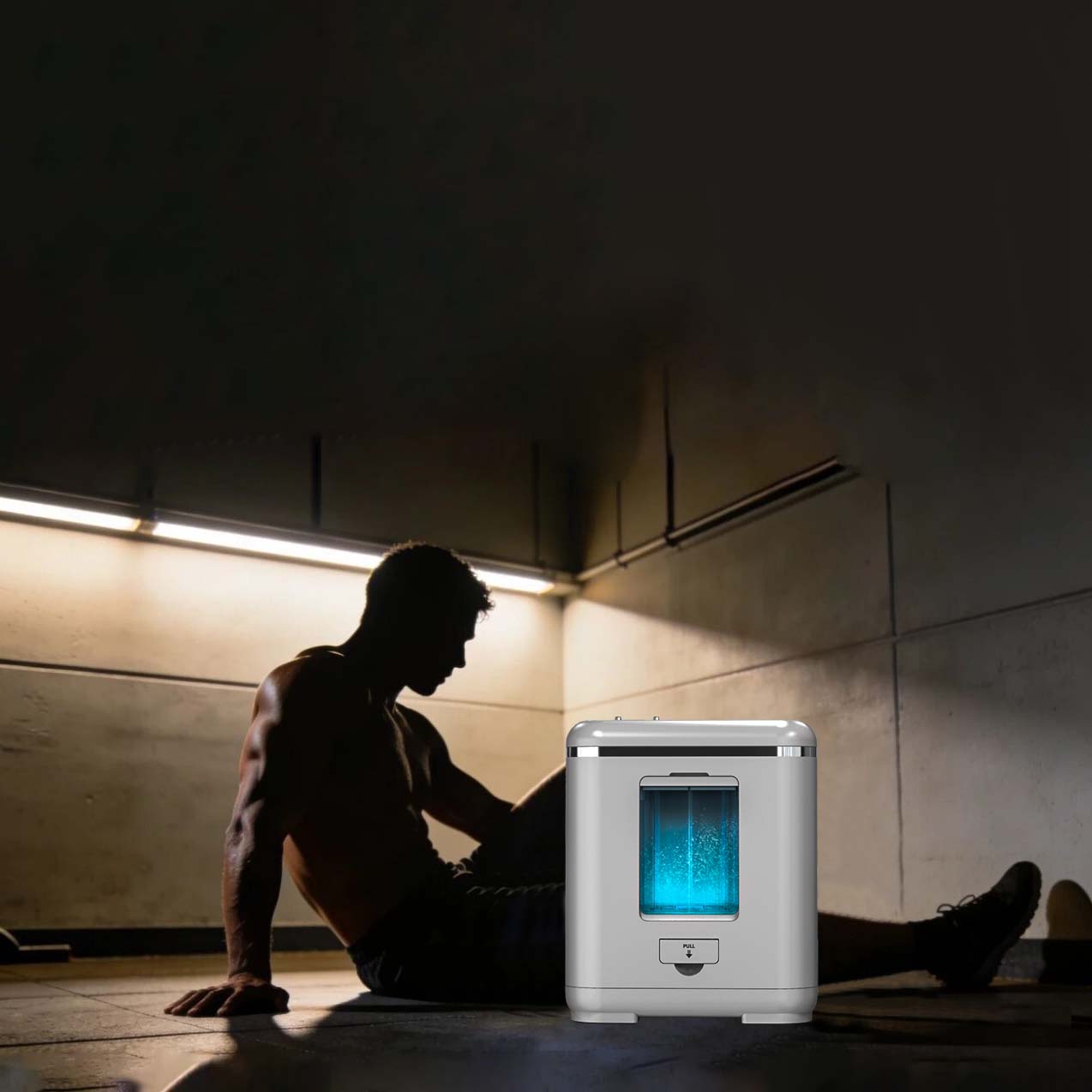
In the pinnacle of competitive sports, victory or defeat often hinges on the smallest of margins. Besides rigorous training and natural talent, scientific recovery capabilities have become a key factor determining an athlete's competitive state and athletic lifespan. In recent years, a technological recovery method called "hydrogen intervention" has quietly moved from the laboratory into the train...
In-depth analysis of hydrogen safety As Molecular Hydrogen is increasingly used in the health field, many people are starting to pay attention to its safety. Today, we'll discuss the safety of hydrogen, answer your questions, and introduce the metabolic process of hydrogen in the body. 1.Is Hydrogen Safe? Hydrogen itself is a very safe gas. It is non-toxic, and even inhaling excessive amoun...
A compilation of hydrogen supplementation plans for different body types and needs. First, let's reiterate the role of hydrogen: hydrogen is not a medicine, it does not treat diseases, and it cannot replace medical treatment. Its functions include: anti-oxidation, reducing inflammation, protecting cells, and helping the body recover to a better state. It is suitable for daily maintenance, sub-heal...
Since Japanese professor Shigeo Ohta proposed the role of Hydrogen Molecules in human health in 2007, extensive research has been conducted worldwide, yielding very encouraging results. But why do some people experience the effects of hydrogen while others do not? What factors are related to the effectiveness of hydrogen? Professor Sun Xuejun discussed this point in his book "Thought...
From Controversy to Recognition, 2026 Will Usher in a 'Hydrogen-White' Moment 1.Policy breakthrough: hydrogen health officially included in rehabilitation catalog On February 12, 2026, the Ministry of Civil Affairs released the latest "Catalogue of Rehabilitation Assistive Devices in China," officially including hydrogen health products. This breakthrough in policy symbolizes the hyd...
To implement the "Opinions of the State Council on Accelerating the Development of the Rehabilitation Assistive Device Industry" (Guofa [2016] No. 60), further strengthen industry management, promote the standardization of rehabilitation assistive device products and services, and better meet the needs of the elderly, disabled, injured, and other groups for rehabilitation assistive device configur...